
Our societal structure has long relied on centralized entities—governments, corporations, and community groups—that have driven remarkable progress. Yet, while this structure has propelled our civilization forward, it hasn’t served the vast majority as effectively as it could. However, technological advancements now position us to create a more inclusive society—one that serves nearly everyone exceptionally well.

In 2008, Satoshi Nakamoto introduced a groundbreaking concept, offering the potential to revolutionize life on our planet. This innovation, the blockchain, birthed a new form of trust—decentralized trust—a mechanism that underpins transformative alternatives to traditional systems of economics, social organization, and politics.
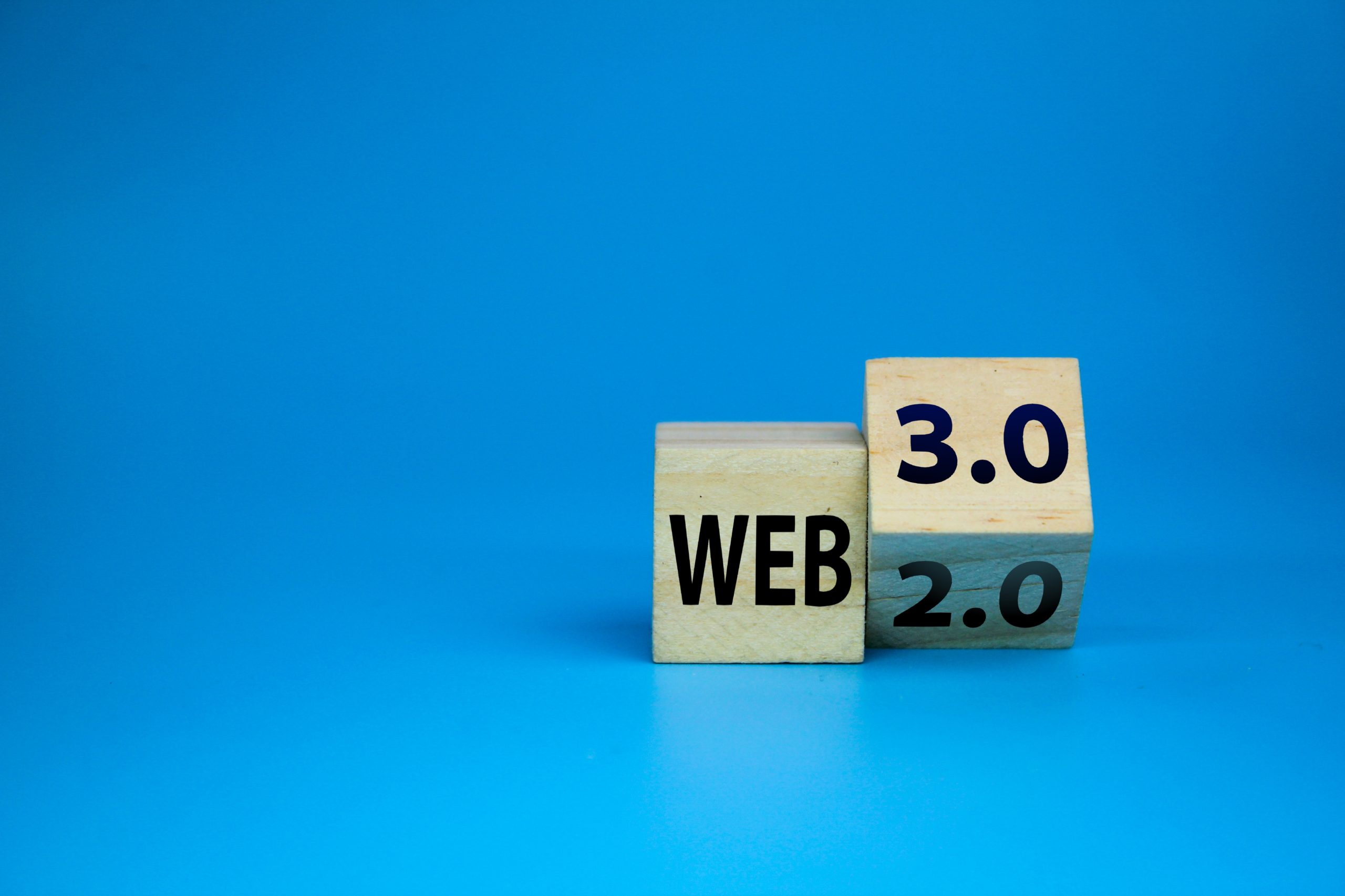
The internet’s evolution has been a defining force in shaping individual lives and global society. It began with pre-web protocols, evolving into Web 1.0, followed by Web 2.0, where we are currently entrenched. While each iteration marked progress, it’s the advent of Web 3.0 that signifies a paradigm shift—one from siloed systems to collaborative frameworks, opening doors to wider opportunities and accessibility.
Web3, the decentralized web, is at the heart of this paradigm shift. It represents a departure from the business models of the past, where corporations operated with an extractive approach toward customers. Instead, Web3 fosters a diverse ecosystem that redistributes power and creativity, promoting progressive decentralization.
By granting economic, social, and political agency to communities and enabling individual self-sovereignty, Web3 empowers us to actively engage as builders, not merely passive consumers. Whether creating NFTs, developing dApps, participating in DAOs, or influencing protocols and policies, we collectively shape the future of the web.
Builders in the realm of Web3 encompass not only developers and entrepreneurs but also artists, writers, educators, and more. Each contributes a unique perspective, forming the collective essence driving this shift toward a more decentralized future. Through Web3’s transformative potential, we have the opportunity to collaboratively construct a world rooted in this new foundation of trust.
The spark of a builder resides within each of us, representing an existential drive to create and contribute. This ethos— “I build, therefore I am”—captures the essence of our collective journey toward a decentralized and empowering future.
 Chief Editor